I Went to Capitol Hill to Talk About Tuberculosis.
Also: a rage-fueled passion for untreated tuberculosis
March 2026
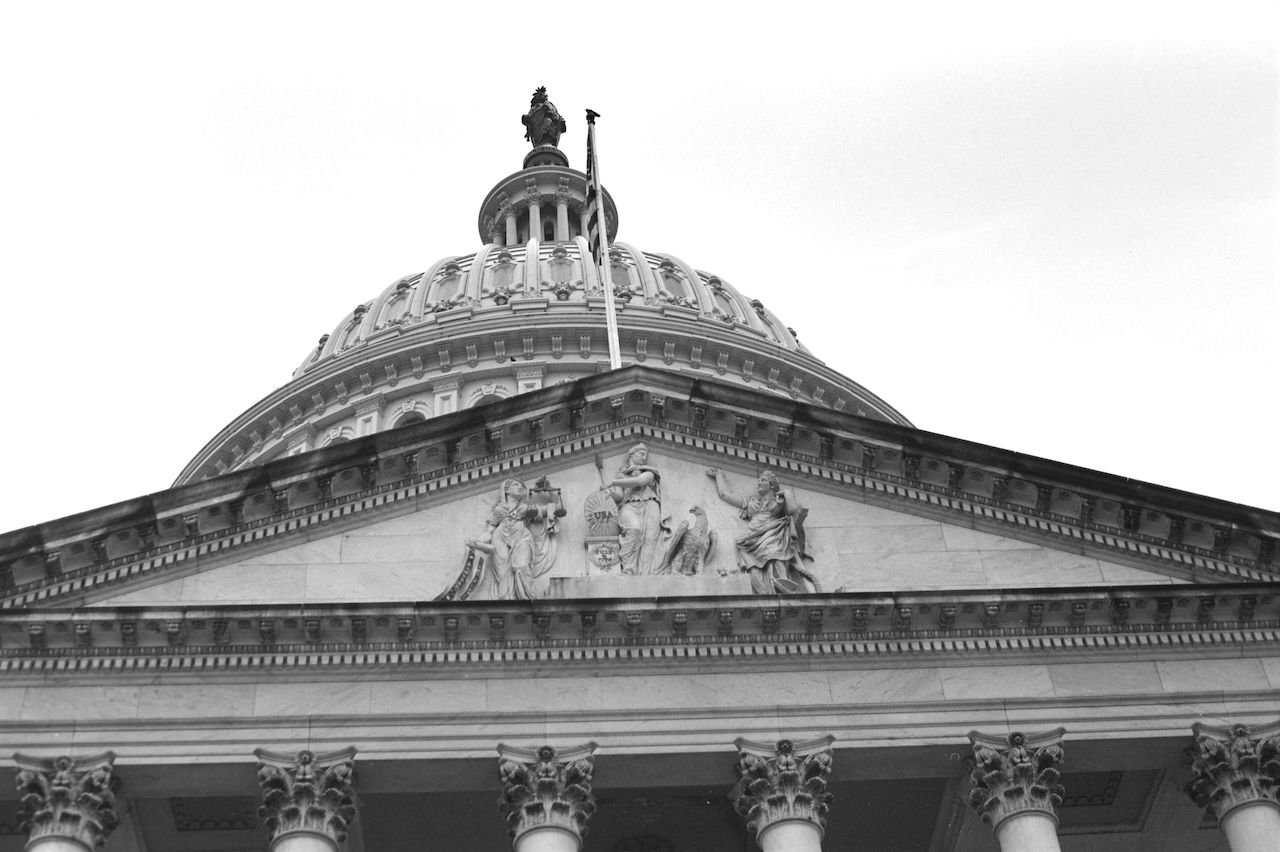
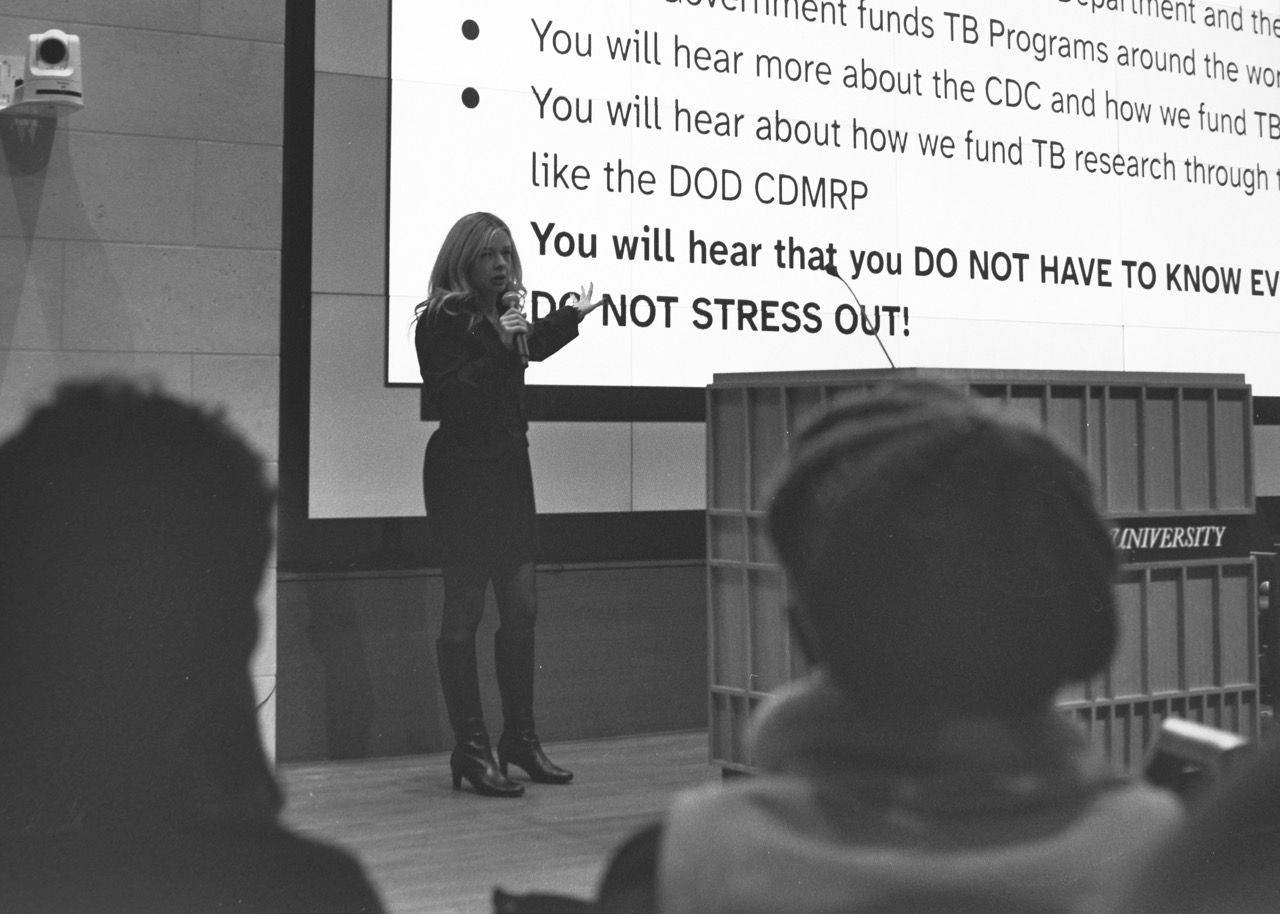
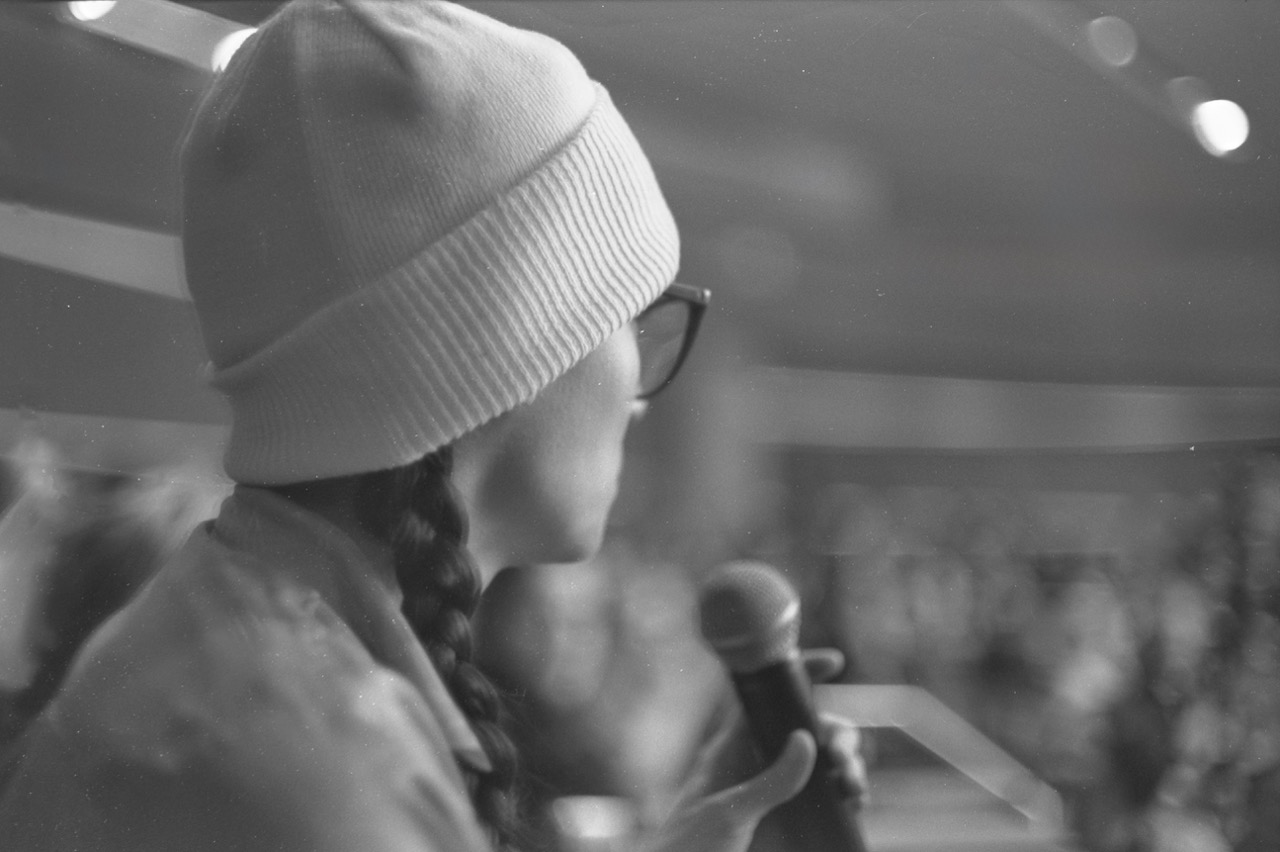
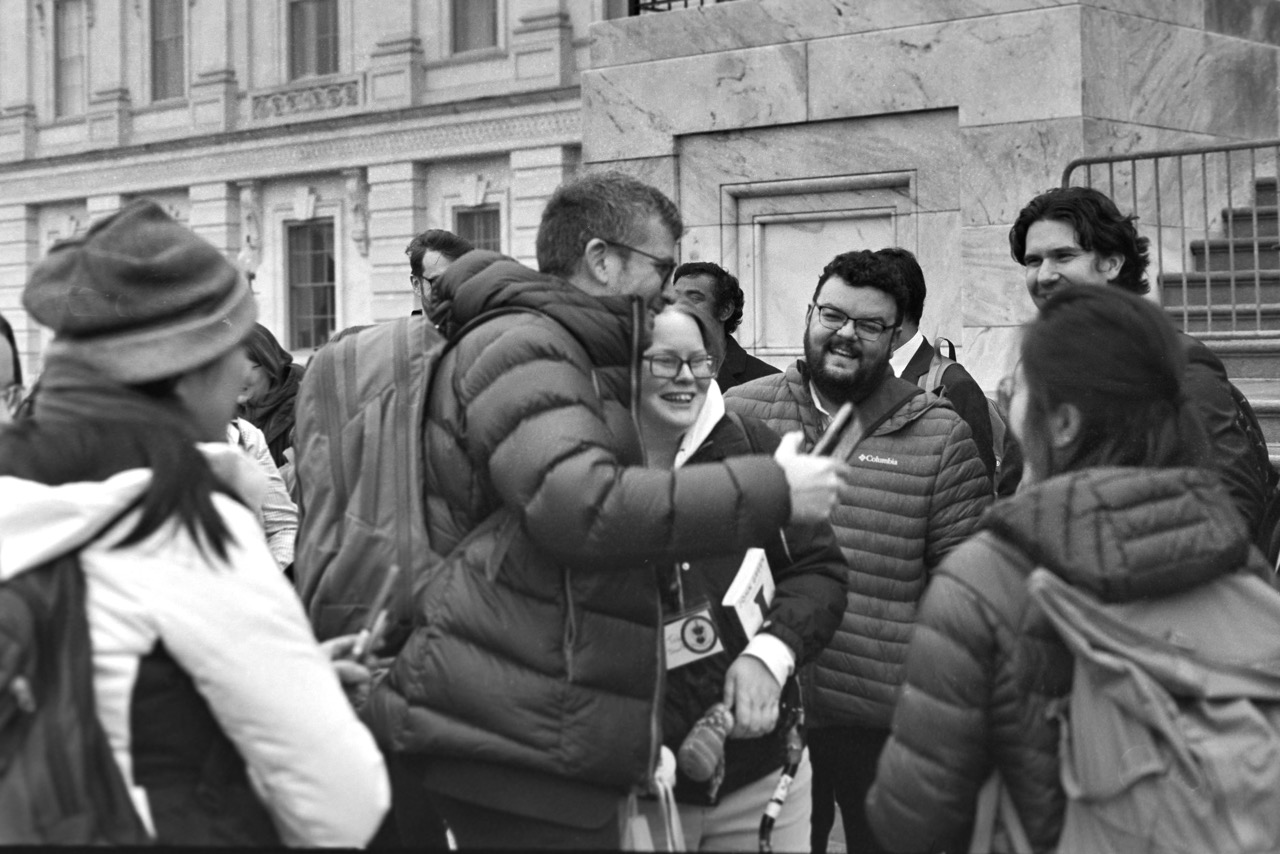
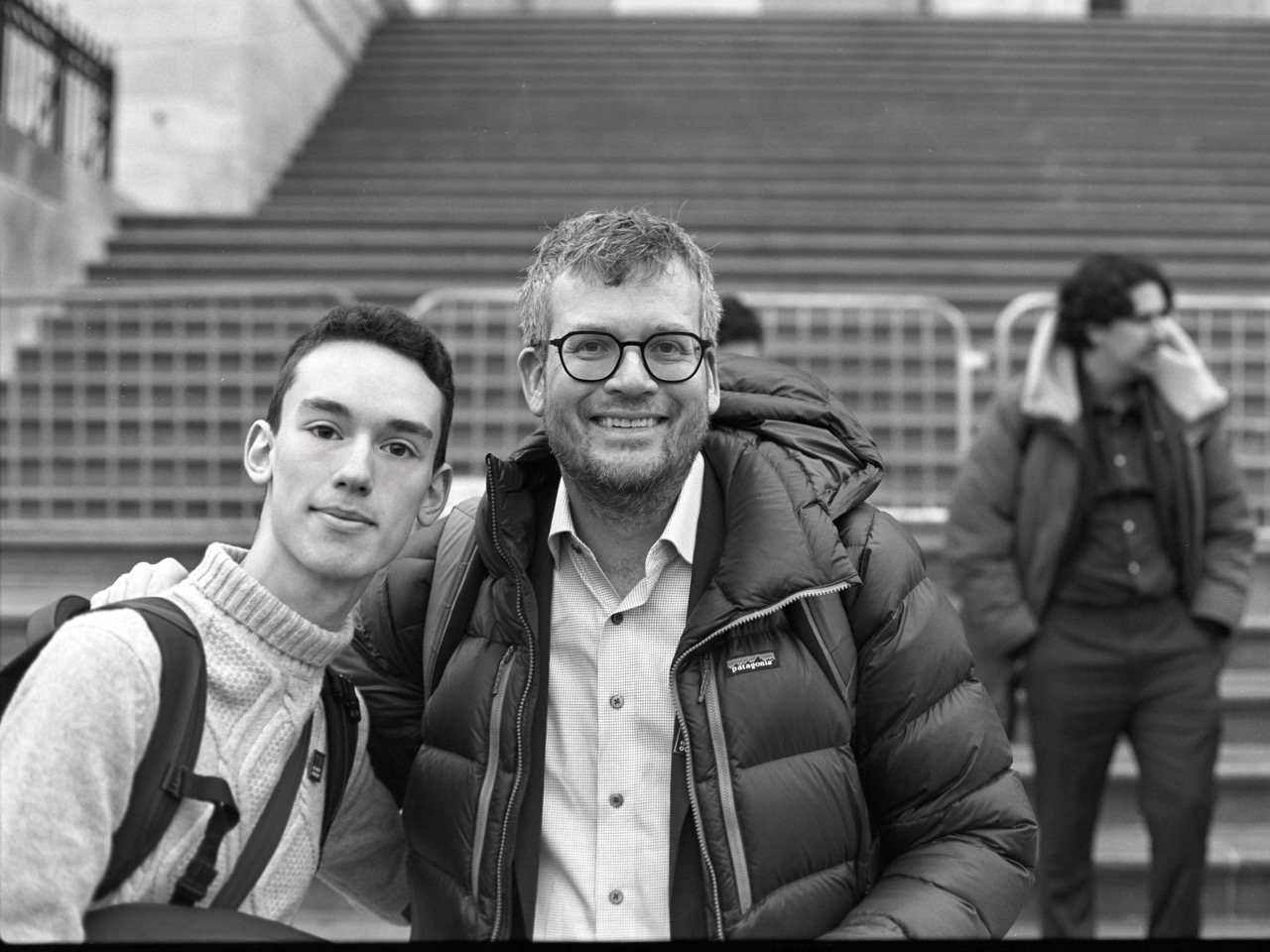
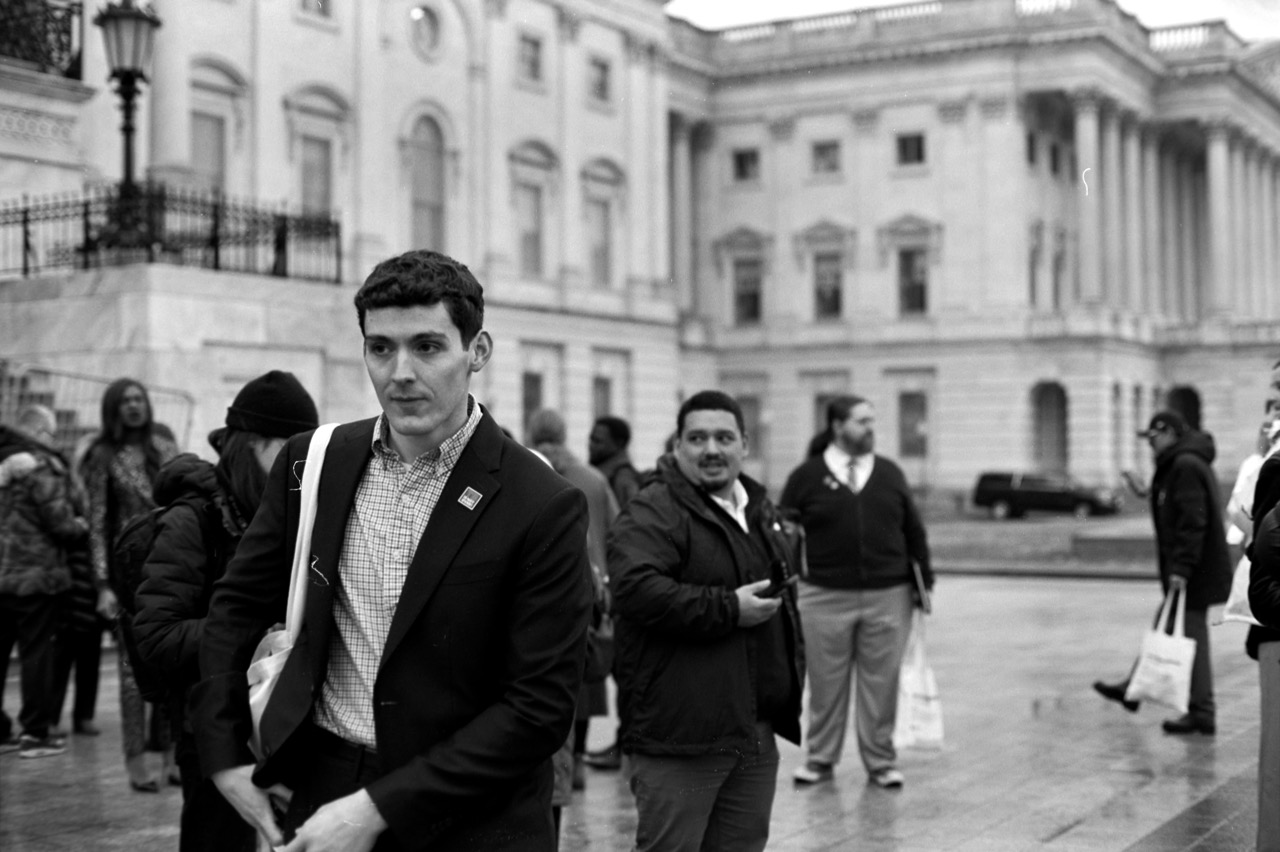
Whelp, it’s that time of the year again. That time when we all complain about the global health disparity that is tuberculosis until someone important starts paying attention. For a few days each year, Nerdfighters (and members from various TB coalitions) from across the country gather in Washington, DC, to meet with their local representatives to try to make this world we share a little bit better. This year, we collectively met with over 260 congressional offices from all 50 states and advocated for increased funding for bilateral tuberculosis programs and the inclusion of tuberculosis as an eligible disease for the CDMRP.
Tuberculosis, by the way, is the deadliest infectious disease in the world. In 2024, it killed 1.23 million people and infected over 10.7 million worldwide—that’s more than HIV/AIDS and malaria combined. What makes these facts particularly disconcerting is that, unlike HIV, tuberculosis is entirely preventable. In fact, the cure has existed for nearly 75 years. Yet, despite this, over 150 million people have died from tuberculosis since the cure’s discovery in 1944.*
The current scourge of tuberculosis is caused by inequity and a human failure toward impartiality; it is something that we’ve created for ourselves. And something we refuse to address. The World Health Organization estimates we can end the TB epidemic by 2030 and completely annihilate the disease by 2035. So why haven’t we?
It is absolutely untenable. The amount of people I’ve personally spoken to who've thought that tuberculosis is a disease of the past. And while TB is one of humanity’s oldest plights, famously claiming the lives of Orwell, Kafka, and Chopin,** it is, of course, still very much real. But part of where this misconception arises, I think, is an inherent failure in our education. Because while 10.7 million people contracted TB in the world, a mere 10,388 got it here in the states, most of which were in lower-income and/or incarcerated communities.† But tuberculosis can infect anything that breathes; it doesn’t see state borders. And if it doesn’t discriminate, why should we?
In virtually every way one looks at it, one sees a need to invest in better infrastructure for tuberculosis treatment. In addition to being a humanitarian issue, it’s also economical. A 2024 study conducted by the World Health Organization found that investing in TB screening and preventative treatment yields a $39 return on investment for every $1 spent.
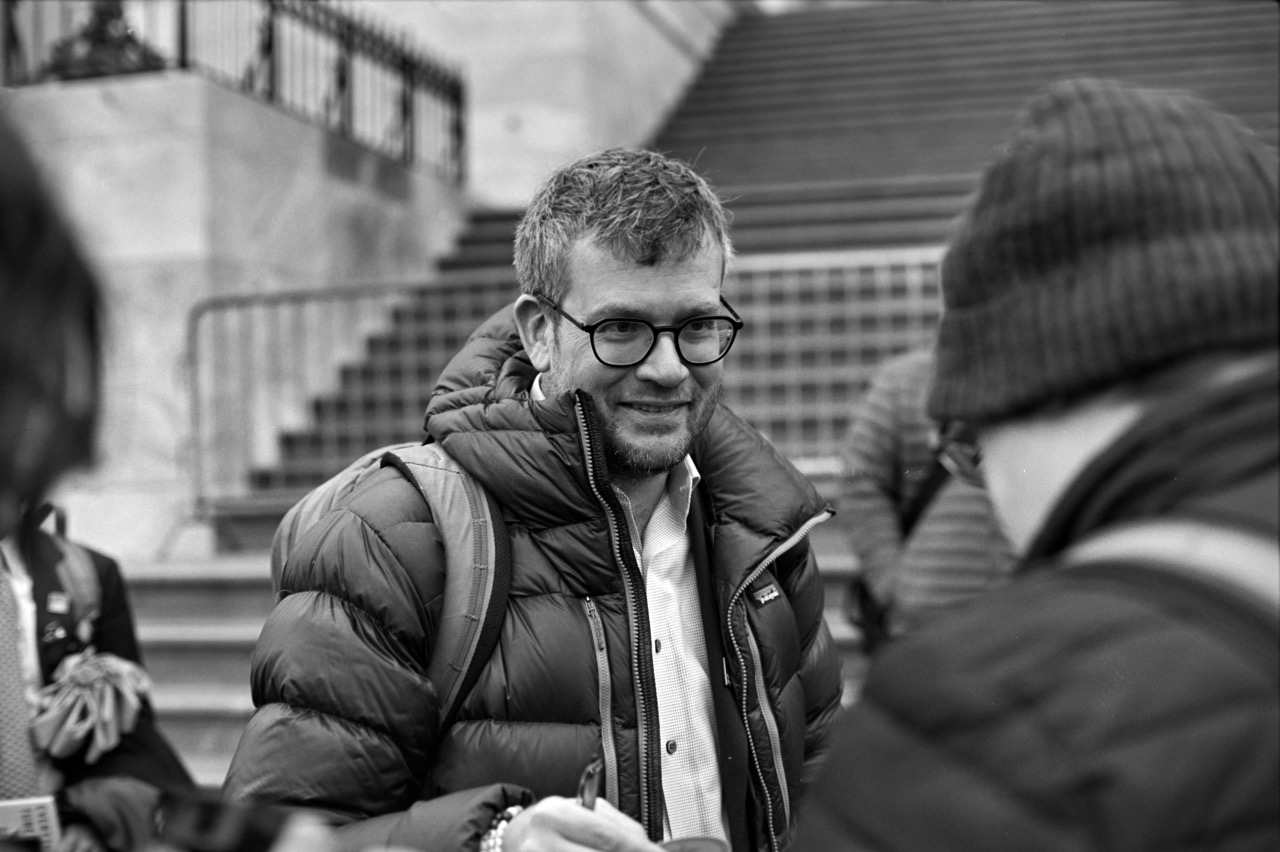
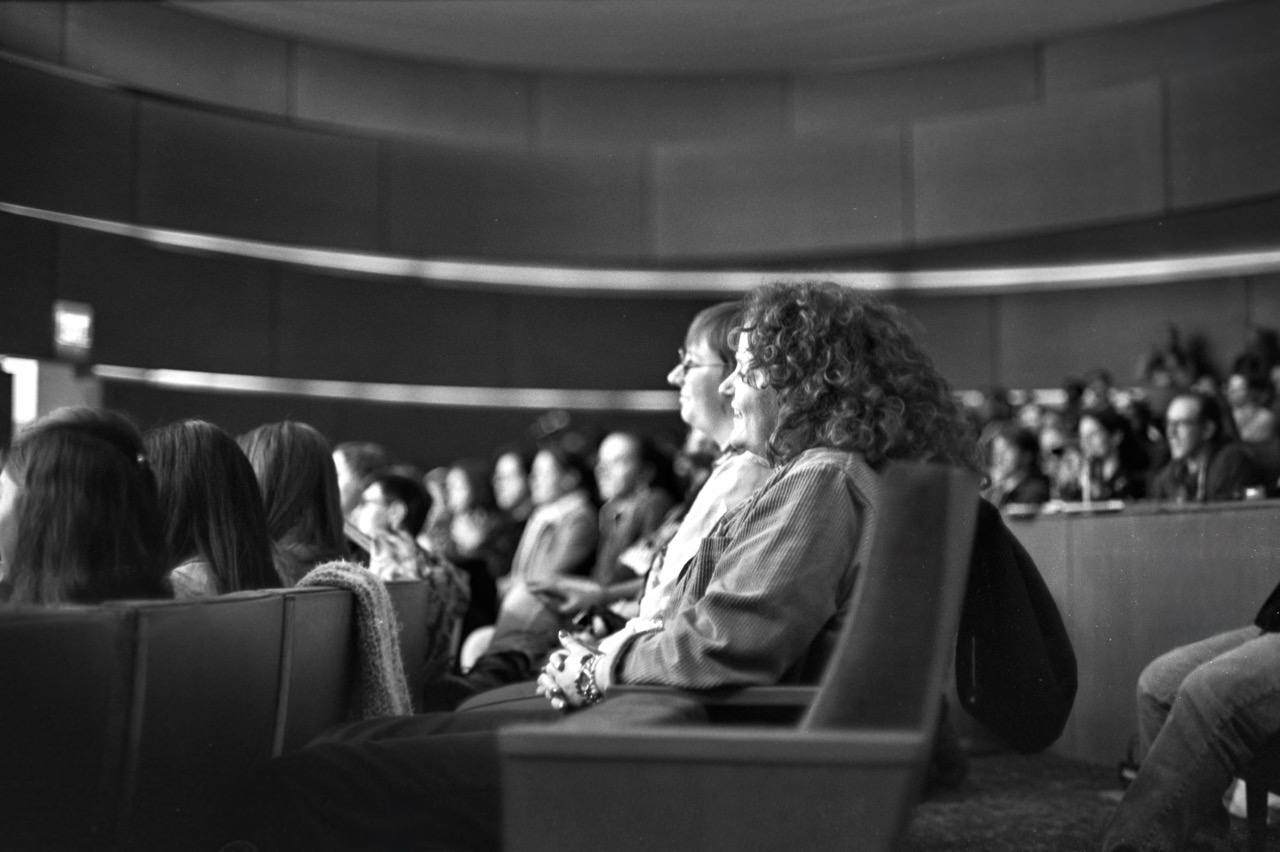
This year I had the opportunity of meeting with Beloit’s own congressman, Representative Brian Steil in person, along with both of Wisconsin’s senate offices, senators Johnson and Baldwin. Every time I do this, I am blown away by the impact we can have by simply coming together as a community. Tuberculosis isn’t an easy issue, or one that will magically go away. But the fact that there I was surrounded by so many other people who, like me, chose to come here on their own dime and volition gave me hope. TB eradication is possible, and the real power we have is as one; collective power is exponential. In our fast-paced world, it’s easy to forget this: That although we strive to be self-contained, we are nothing without each other.
1 in 4 people in the world are estimated to be infected with Mycobacterium tuberculosis; and I am deeply disturbed to learn that we are now moving backward. I truly hope to see the eradication of TB in my lifetime, though I’m not sure how long such an endeavor will realistically take. I’m reminded of a Yogi Berra line: "In theory, there is no difference between theory and practice. In practice, there is.” There is so much to be done in the world of infectious disease before we can say we’re finished. But what else can we do but try?
At the time of writing this article, 171 Members of House have signed on to at least one of our requests. I know such a feat is possible. I know we can do this. Over these past couple of years, I have met so many incredible people whose dedication alone is inspiring. Just the fact that we’re here, together, trying to make this world we share a little bit better speaks not only to our technical ability but to our collective hope for the future. We have such limited time on this precious planet; yet we’re here, spending our time together. Fighting for what we think is right. And we can but try.

* It’s sometimes difficult wrapping our heads around such big numbers. So to put it another way, tuberculosis has killed more people than malaria, smallpox, HIV/AIDS, cholera, the plague, and the flu combined.
**Also: Simón Bolívar, James Monroe, both brontë sisters, Anton Chekhov, Gavrilo Princip, Erwin Schrödinger, Eleanor Roosevelt and over 1 billion other lives since its scientific discovery in 1882…
† Still, this 10,388 marks an 8% increase from previous years.
I Went to Capitol Hill to Talk About Tuberculosis.
Also: a rage-fueled passion for untreated tuberculosis
March 2026
Whelp, it’s that time of the year again. That time when we all complain about the global health disparity that is tuberculosis until someone important starts paying attention. For a few days each year, Nerdfighters (and members from various TB coalitions) from across the country gather in Washington, DC, to meet with their local representatives to try to make this world we share a little bit better. This year, we collectively met with over 260 congressional offices from all 50 states and advocated for increased funding for bilateral tuberculosis programs and the inclusion of tuberculosis as an eligible disease for the CDMRP.
Tuberculosis, by the way, is the deadliest infectious disease in the world. In 2024, it killed 1.23 million people and infected over 10.7 million worldwide—that’s more than HIV/AIDS and malaria combined. What makes these facts particularly disconcerting is that, unlike HIV, tuberculosis is entirely preventable. In fact, the cure has existed for nearly 75 years. Yet, despite this, over 150 million people have died from tuberculosis since the cure’s discovery in 1944.*
The current scourge of tuberculosis is caused by inequity and a human failure toward impartiality; it is something that we’ve created for ourselves. And something we refuse to address. The World Health Organization estimates we can end the TB epidemic by 2030 and completely annihilate the disease by 2035. So why haven’t we?
It is absolutely untenable. The amount of people I’ve personally spoken to who've thought that tuberculosis is a disease of the past. And while TB is one of humanity’s oldest plights, famously claiming the lives of Orwell, Kafka, and Chopin,** it is, of course, still very much real. But part of where this misconception arises, I think, is an inherent failure in our education. Because while 10.7 million people contracted TB in the world, a mere 10,388 got it here in the states, most of which were in lower-income and/or incarcerated communities.† But tuberculosis can infect anything that breathes; it doesn’t see state borders. And if it doesn’t discriminate, why should we?
In virtually every way one looks at it, one sees a need to invest in better infrastructure for tuberculosis treatment. In addition to being a humanitarian issue, it’s also economical. A 2024 study conducted by the World Health Organization found that investing in TB screening and preventative treatment yields a $39 return on investment for every $1 spent.
This year I had the opportunity of meeting with Beloit’s own congressman, Representative Brian Steil in person, along with both of Wisconsin’s senate offices, senators Johnson and Baldwin. Every time I do this, I am blown away by the impact we can have by simply coming together as a community. Tuberculosis isn’t an easy issue, or one that will magically go away. But the fact that there I was surrounded by so many other people who, like me, chose to come here on their own dime and volition gave me hope. TB eradication is possible, and the real power we have is as one; collective power is exponential. In our fast-paced world, it’s easy to forget this: That although we strive to be self-contained, we are nothing without each other.
1 in 4 people in the world are estimated to be infected with Mycobacterium tuberculosis; and I am deeply disturbed to learn that we are now moving backward. I truly hope to see the eradication of TB in my lifetime, though I’m not sure how long such an endeavor will realistically take. I’m reminded of a Yogi Berra line: "In theory, there is no difference between theory and practice. In practice, there is.” There is so much to be done in the world of infectious disease before we can say we’re finished. But what else can we do but try?
At the time of writing this article, 171 Members of House have signed on to at least one of our requests. I know such a feat is possible. I know we can do this. Over these past couple of years, I have met so many incredible people whose dedication alone is inspiring. Just the fact that we’re here, together, trying to make this world we share a little bit better speaks not only to our technical ability but to our collective hope for the future. We have such limited time on this precious planet; yet we’re here, spending our time together. Fighting for what we think is right. And we can but try.
* It’s sometimes difficult wrapping our heads around such big numbers. So to put it another way, tuberculosis has killed more people than malaria, smallpox, HIV/AIDS, cholera, the plague, and the flu combined.
**Also: Simón Bolívar, James Monroe, both brontë sisters, Anton Chekhov, Gavrilo Princip, Erwin Schrödinger, Eleanor Roosevelt and over 1 billion other lives since its scientific discovery in 1882…
† Still, this 10,388 marks an 8% increase from previous years.
I Went to Capitol Hill to Talk About Tuberculosis.
Also: a rage-fueled passion for untreated tuberculosis
March 2026
Whelp, it’s that time of the year again. That time when we all complain about the global health disparity that is tuberculosis until someone important starts paying attention. For a few days each year, Nerdfighters (and members from various TB coalitions) from across the country gather in Washington, DC, to meet with their local representatives to try to make this world we share a little bit better. This year, we collectively met with over 260 congressional offices from all 50 states and advocated for increased funding for bilateral tuberculosis programs and the inclusion of tuberculosis as an eligible disease for the CDMRP.
Tuberculosis, by the way, is the deadliest infectious disease in the world. In 2024, it killed 1.23 million people and infected over 10.7 million worldwide—that’s more than HIV/AIDS and malaria combined. What makes these facts particularly disconcerting is that, unlike HIV, tuberculosis is entirely preventable. In fact, the cure has existed for nearly 75 years. Yet, despite this, over 150 million people have died from tuberculosis since the cure’s discovery in 1944.*
The current scourge of tuberculosis is caused by inequity and a human failure toward impartiality; it is something that we’ve created for ourselves. And something we refuse to address. The World Health Organization estimates we can end the TB epidemic by 2030 and completely annihilate the disease by 2035. So why haven’t we?
It is absolutely untenable. The amount of people I’ve personally spoken to who've thought that tuberculosis is a disease of the past. And while TB is one of humanity’s oldest plights, famously claiming the lives of Orwell, Kafka, and Chopin,** it is, of course, still very much real. But part of where this misconception arises, I think, is an inherent failure in our education. Because while 10.7 million people contracted TB in the world, a mere 10,388 got it here in the states, most of which were in lower-income and/or incarcerated communities.† But tuberculosis can infect anything that breathes; it doesn’t see state borders. And if it doesn’t discriminate, why should we?
In virtually every way one looks at it, one sees a need to invest in better infrastructure for tuberculosis treatment. In addition to being a humanitarian issue, it’s also economical. A 2024 study conducted by the World Health Organization found that investing in TB screening and preventative treatment yields a $39 return on investment for every $1 spent.
This year I had the opportunity of meeting with Beloit’s own congressman, Representative Brian Steil in person, along with both of Wisconsin’s senate offices, senators Johnson and Baldwin. Every time I do this, I am blown away by the impact we can have by simply coming together as a community. Tuberculosis isn’t an easy issue, or one that will magically go away. But the fact that there I was surrounded by so many other people who, like me, chose to come here on their own dime and volition gave me hope. TB eradication is possible, and the real power we have is as one; collective power is exponential. In our fast-paced world, it’s easy to forget this: That although we strive to be self-contained, we are nothing without each other.
1 in 4 people in the world are estimated to be infected with Mycobacterium tuberculosis; and I am deeply disturbed to learn that we are now moving backward. I truly hope to see the eradication of TB in my lifetime, though I’m not sure how long such an endeavor will realistically take. I’m reminded of a Yogi Berra line: "In theory, there is no difference between theory and practice. In practice, there is.” There is so much to be done in the world of infectious disease before we can say we’re finished. But what else can we do but try?
At the time of writing this article, 171 Members of House have signed on to at least one of our requests. I know such a feat is possible. I know we can do this. Over these past couple of years, I have met so many incredible people whose dedication alone is inspiring. Just the fact that we’re here, together, trying to make this world we share a little bit better speaks not only to our technical ability but to our collective hope for the future. We have such limited time on this precious planet; yet we’re here, spending our time together. Fighting for what we think is right. And we can but try.
* It’s sometimes difficult wrapping our heads around such big numbers. So to put it another way, tuberculosis has killed more people than malaria, smallpox, HIV/AIDS, cholera, the plague, and the flu combined.
**Also: Simón Bolívar, James Monroe, both brontë sisters, Anton Chekhov, Gavrilo Princip, Erwin Schrödinger, Eleanor Roosevelt and over 1 billion other lives since its scientific discovery in 1882…
† Still, this 10,388 marks an 8% increase from previous years.